
Last updated: November 15, 2026
Quick Answer: ask 5 core questions before you sign a three-season room contract. If you’re hiring a contractor for a three-season room, the real question is how to keep the scope, permit, and price from drifting after the first quote. Ask about scope, timeline, permits, change orders, and warranty in writing before you sign. The sections below show which questions expose weak bids and which answers should make you pause.
Key Takeaways
- Ask the contractor to define the room, finish level, and paperwork before price comes up.
- Scope questions help limit surprise costs by forcing every visible and hidden part of the job onto the estimate.
- Line up materials, labor, site work, permits, and exclusions across every three-season room bid.
- Ask who handles the permit, which inspections are expected, and which code items can change the build.
What should I ask a three-season room contractor?
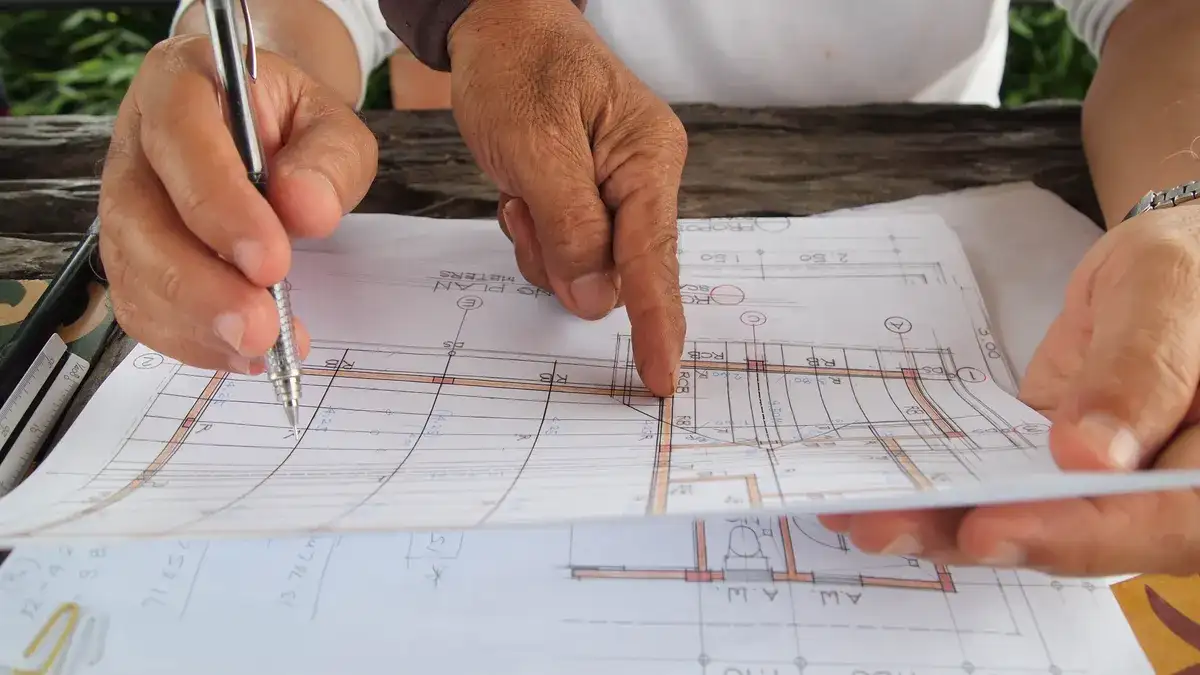
Ask the contractor to define the room, the finish level, and the paperwork before anyone talks about price. A good first conversation should cover scope, permit responsibility, and the contract, not just a rough estimate. That keeps you from comparing one full build against one stripped-down bid.
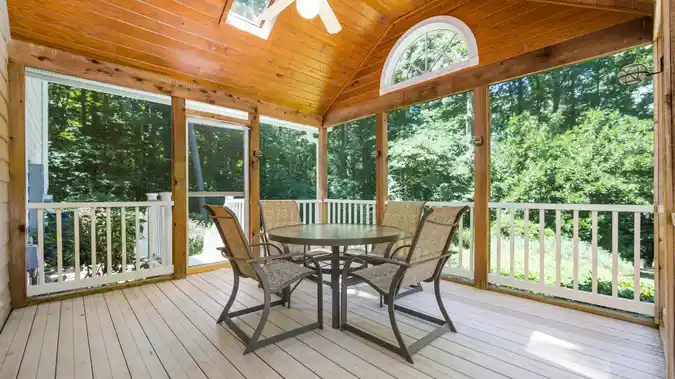
For a three-season room contractor, the first talk should also name the room in plain terms: screened enclosure, windowed enclosure, or another variation. One estimate may include the roof tie-in, screens, and permit drawings; another may not. That gap can turn into a change order later.
Use these questions first:
- What exactly is included in the estimate?
- Who handles the permit application and inspections?
- What is excluded from the contract?
- What counts as a change order?
- What warranty language is written down, and for how long?
You want plain answers, not “we’ll take care of it.” If the contractor can’t name the finish materials, the electrical work, or the point where the room stops and the existing house starts, the estimate is not ready for comparison. A better bid reads like a scope sheet, not a sales flyer.
Here’s the catch: some contractors speak in broad terms because they’re waiting to lock in the details after deposit. That shifts risk to you. A three-season room should not turn into a moving target after the first site visit.
Which scope questions stop surprise costs?
Scope questions stop surprise costs when they force the contractor to list every visible and hidden part of the job. The key is to ask about the structure, the opening into the house, and the finishes in the same conversation, because those parts drive the shape of the work.
For a three-season room contractor, scope is where the price becomes real. You may think you’re buying a simple screened enclosure, but the contractor may be pricing a new footings layout, a wall tie-in, and finish carpentry. That’s not a small mismatch. It’s a different job.
Ask these scope questions in one round:
- Is the room built on an existing slab, a new foundation, or deck framing?
- Will the wall between the house and the new room be altered?
- Are screens, windows, doors, trim, and flooring included?
- Is interior electrical work part of the job, or a separate trade?
- Does the price include cleanup and debris hauling?
A clear answer should name what happens in the first week, not just the final look. If the contractor avoids details like footings, framing, or opening sizes, ask for a written scope before you talk about scheduling. A vague scope usually means a vague bid.
The truth is, scope mistakes are expensive because they hide inside phrases like “standard build” or “typical finish.” Those words mean nothing until they appear next to a line item. If the contractor cannot explain the room in the same words you would use to describe it, keep asking.
Useful comparison questions:
- What is the room’s boundary line at the house wall?
- What is built by this crew versus a separate subcontractor?
- What gets installed before the final walkthrough?
How do I compare three-season room bids without getting tricked?

Compare three-season room bids by lining up the same categories on every estimate: materials, labor, site work, permits, and exclusions. A lower number means little if one contractor left out a major piece of the job or used a much thinner scope. The goal is not always the cheapest quote; it’s the clearest one.
For three-season room bids, the numbers only help if they line up. One estimate may be almost 20 percent lower, but that can happen because it excludes permit fees, electrical work, or finish trim. Suddenly the “deal” is just a delayed bill.
Use a simple comparison grid with these fields:
- Included materials
- Labor
- Permit handling
- Debris removal
- Change order process
- Payment schedule
- Warranty language
Also ask whether the estimate is fixed price or open-ended. A fixed price gives you more control, but only if the scope is complete. An estimate that says “allowance” should name what that allowance covers and what happens if the actual material cost changes.
On the other hand, a bid that looks neat can still be weak if it hides assumptions. If one contractor assumes reuse of an existing opening and another assumes a new framed opening, you’re not looking at the same project. That is why a written scope matters more than the sales pitch.
One practical rule: if two bids differ a lot, ask each contractor to explain the difference line by line. A careful contractor should be able to do that in 10 minutes without getting defensive. If the answer stays cloudy, the bid is cloudy too.
What should I ask about permits, inspections, and local rules?
Ask who is responsible for the permit, which inspections are expected, and what code items can change the room’s build. Local rules can affect roof tie-ins, structural support, electrical work, and how the room attaches to the house. You do not need to master code language; you need a contractor who knows the steps.
For a three-season room contractor, permit questions matter because a missed filing can stop work after framing has started. The International Residential Code is the baseline many jurisdictions adopt or adapt, but your local rules control the actual project. You do not need to interpret those rules yourself; ask the contractor to explain them in plain language. If you want to verify local requirements, check your city or county building department and the ICC’s code resources: https://codes.iccsafe.org/
Ask these permit questions:
- Who submits the permit application?
- What drawings or measurements are needed?
- How many inspections are likely?
- What happens if the inspector wants a correction?
- Does the contractor handle rescheduling after an inspection fails?
If your area has snow load, wind, or setback rules, ask how those shape the room design and framing. A contractor who works in your area should know whether a three-season room needs special structural details or added documentation. If the answer sounds like guesswork, that is a warning sign.
There’s a second reason this matters: permit work can change the timeline. A contractor who gives you a start date without mentioning approval can be too optimistic. A better answer is, “We start after permit approval and material lead time are both clear.”
For a broader home-improvement checklist, the FTC’s consumer advice on home repair and remodeling is a useful reference point: https://consumer.ftc.gov/articles/home-improvement-and-repair
Which timeline questions reveal a shaky contractor?
Timeline questions reveal a shaky contractor when the answers avoid dates, sequences, and dependencies. A reliable contractor can explain how long the estimate takes, when materials are ordered, and what has to happen before the crew shows up. If the schedule is all promise and no sequence, expect drift.
For a three-season room contractor, timing should be broken into phases. A project may need layout, foundation or framing work, enclosure, finish work, and final inspection. If the contractor cannot break the job into phases, the calendar is probably loose too.
Ask for these timing details:
- How long after the signed contract before work starts?
- What has to happen before demolition or framing begins?
- How many days on site does the crew expect?
- Which parts can be delayed by material delivery?
- Who tells you if weather will push the schedule?
The best answer is one that separates prep time from build time. A three-season room often has more than one phase: layout, foundation or framing work, enclosure, finish work, and final inspection. If the contractor cannot break the job into phases, the calendar is probably loose too.
You should also ask what happens if the project stalls for a week. Does the crew move to another job? Does your site stay secure enough to protect the house opening during the build, and if you have concerns, consult your local building department or contractor about best practices? Does the contractor return with the same crew or a different one? Those questions sound small until a half-finished room sits open during rain. The FTC’s home-improvement guidance is a useful baseline for written terms and consumer protection: https://consumer.ftc.gov/articles/home-improvement-and-repair
Ask for a schedule update method in the contract. A weekly call, text, or email is enough if it is spelled out in writing. Guessing is not a system.
What change order questions protect my budget?
Change order questions protect your budget by making every extra item visible before the work changes. A change order should explain the added work, the added cost, and the reason it exists. If the contractor wants verbal approval only, that is how budgets slip.
For a three-season room contractor, change orders are where a tight estimate can still go off track. You may approve a “small adjustment” on site, and three days later it turns into a larger bill because labor and materials were never written down. That is not a surprise; it is a process failure.
Ask these questions before work starts:
- What triggers a change order?
- Who can approve it?
- Must the price be written before the extra work starts?
- Does a schedule change also need written approval?
- How is a disputed change handled?
A good contractor should define change orders before the first nail goes in. That matters because site conditions can shift once demolition starts, especially if the existing wall or deck has hidden issues. You do not need to fear changes; you need a paper trail for them.
The cleanest rule is simple: no signed change, no extra work. If the contractor says “we’ll sort it out later,” ask for a written process now. A later discussion is too late once the materials are installed.
A fair change-order system can protect both sides. It keeps the contractor from eating unplanned work and keeps you from getting billed for something nobody approved. That only works if the process is written into the contract from day one.
What red flags mean I should walk away?
Walk away when the contractor won’t put scope, schedule, or pricing in writing, because that usually means you’ll carry the risk later. A three-season room is too visible and too tied to your house to trust to vague promises. If the answers stay slippery after a second conversation, the problem is not confusion.
For a three-season room contractor, the biggest warning sign is pressure without paperwork. You ask for details twice, and each answer gets shorter. Or the contractor pushes for a deposit before the estimate is complete. Those are not normal signs of a well-run job.
Watch for these red flags:
- A bid with no clear contract
- No written change order process
- No mention of permit responsibility
- A start date with no dependency on approvals
- A refusal to explain exclusions
- Pressure to sign before reading
Another warning sign is when the contractor won’t explain the difference between the room you want and the room priced on paper. If you asked for screens, doors, trim, and finish work, the estimate should show those items. If it doesn’t, the gap will show up later as extra cost.
The truth is, a good contractor usually welcomes detailed questions. It helps define the work. The wrong contractor treats questions as a nuisance because details can expose weak spots, so if you are unsure, consult a local professional before signing.
For readers comparing multiple bids, the hub page on buying and evaluating three-season room solutions gives the bigger picture, while this page is the question list that keeps the job under control.
What should I ask a three-season room contractor?
Ask for the scope, the schedule, the permit plan, and the change-order process in writing. Those four topics tell you more about the job than a glossy estimate ever will. If the contractor answers clearly, you’re in better shape before the contract is signed.
How do I compare three-season room bids?
Compare the same categories on every estimate: materials, labor, permit handling, exclusions, and payment terms. If one bid is lower, ask what it leaves out. A cheaper quote is not a better quote if it hides work you’ll pay for later.
What red flags should I watch for when hiring a contractor?
Watch for vague scope, pressure to sign fast, no written change-order process, and no clear answer about permits. Those signs usually mean cost and timing will drift after the job starts. If the contractor won’t explain the estimate line by line, keep looking.
Drafted with AI; not yet reviewed by a person.






2 thoughts on “Three-Season Room Contractor Questions to Ask”