Last updated: November 12, 2026
Quick answer: for many three-season room heating and cooling options, a portable heater, ceiling fan, window fan, or mini-split system is the right fix, depending on how often you use the room and how much control you want. A three-season room can feel perfect in April and miserable in July or November. The right fix is usually a portable heater, a ceiling fan, a window fan, or a mini-split system, chosen for how often you use the room and how much control you want. The options below sort out what works, what doesn’t, and what to buy for this kind of space.
Key takeaways
- Portable heaters are often the fastest fix for short cold snaps, not a full-room solution.
- Fans move air well, but they do not lower room temperature on their own.
- A mini-split gives the most control if you use the room often enough to justify a permanent system.
- Ventilation matters as much as equipment in shoulder season rooms with lots of glass.
- The wrong heater or fan setup can make the room feel uneven, noisy, or hard to use.
What actually works in a three-season room
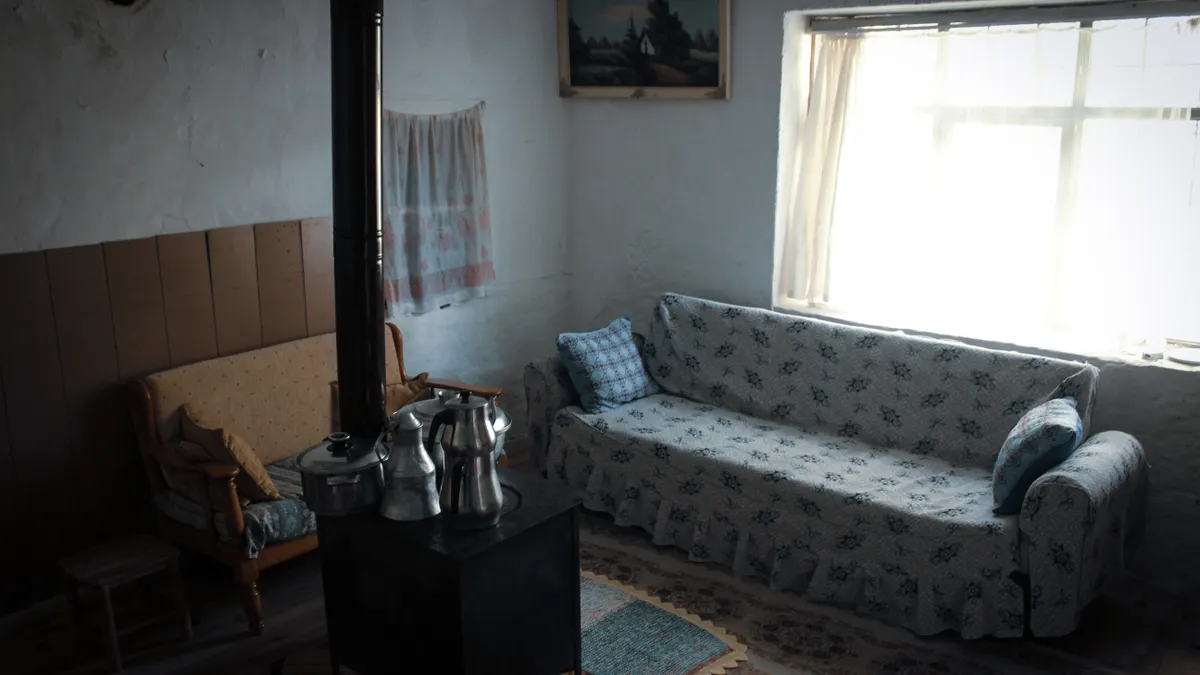
A three-season room usually needs spot heating, air movement, or both, because the room is built to stretch spring and fall use, not act like a full conditioned room. The best fix depends on whether your problem is a chilly evening, a hot afternoon, or both.
Picture this: you’re sitting in the room at 8 p.m., the sun is gone, and the floor feels cold. A portable heater can take the edge off fast. Picture the opposite: it’s warm at noon, the room traps heat, and the air feels stale. A ceiling fan or window fan can help move that hot air out. If you want steady comfort for long stretches, a mini-split system is the more complete answer.
Here’s the catch: each option solves a different problem.
- Portable heater: best for quick warmth in a small zone.
- Ceiling fan: best for circulating air year-round.
- Window fan: best for exhausting heat on mild days.
- Mini-split: best for the closest thing to true temperature control.
A reader often asks for “the best” option, but that misses the point. A room used for 30 minutes in the evening needs a different setup than a breakfast nook used all weekend. If you want the planning view that sits above this guide, the hub on Choosing the right three-season room belongs in your next tab.
Can a portable heater handle a three-season room?
A portable heater can handle a three-season room for short sessions, but it’s the least complete option for larger or leakier spaces. It works best when you heat one seating area instead of the entire room.
Picture this: you want the room comfortable while reading for an hour, not warm enough for all-day use. A portable unit is the simplest move. A ceramic heater, oil-filled radiator, or infrared heater can each do the job differently, but the real question is room size, airflow, and how fast the room loses heat.
Use this as the basic procedure:
- Place the heater near the cold zone, not in the middle of traffic. That usually means near the chair or sofa, with clear space around it. The result should be direct warmth where you sit.
- Choose a unit with a thermostat and tip-over shutoff. The thermostat keeps the heater from running nonstop. The shutoff matters if someone bumps it.
- Run it at the lowest setting that feels comfortable. That reduces hot-and-cold swings and keeps the room from feeling stuffy.
- Use it as a supplement, not the only plan for all-day comfort. If the room stays cold every evening, the space needs a better heating strategy.
The truth is, portable heaters have hard limits.
- They warm people faster than they warm the room.
- They can create uneven heat in rooms with lots of glass.
- They depend on safe placement and enough clearance around them.
Who Should Skip This: someone who wants the room at a stable temperature for many hours should look at a mini-split system instead.
Buy this if: you use the room in short bursts, want a low-commitment fix, and need warmth near one chair or table.
Skip this if: you want whole-room comfort from morning to night and you’re tired of moving a heater around.
What cools a three-season room on hot days?
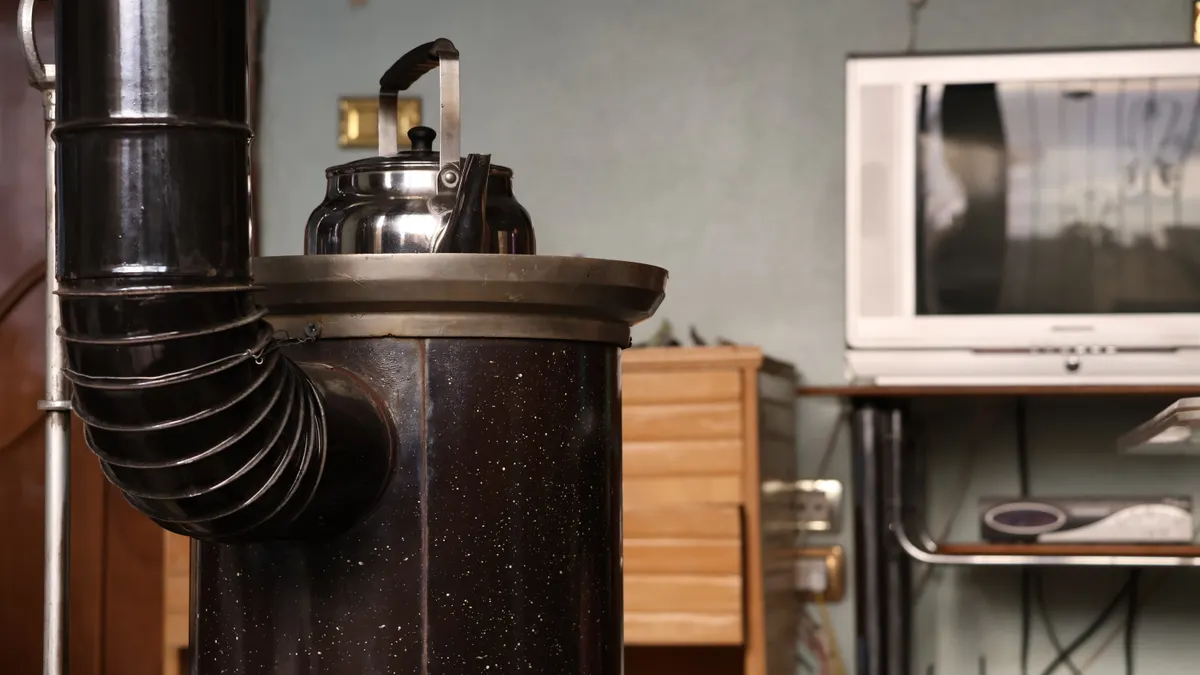
A ceiling fan or window fan cools a three-season room by moving air, not by making the air colder. That sounds small, but it changes how the room feels fast, especially in the afternoon.
Picture this: the sun has been beating through the glass for hours, and the room feels trapped. A fan can break that still-air feeling right away. A ceiling fan gives the most even circulation if the room already has wiring and ceiling height to support it. A window fan is more flexible and often cheaper, especially if you only need relief on the hottest days of the season.
Use the right fan for the job.
- Ceiling fan: good for broad circulation and daily use.
- Window fan: good for pulling hot air out or bringing cooler air in.
- Box fan: good for quick, temporary relief in one area.
The best part is simple: fan use is straightforward, but placement matters.
- Put a window fan where it can push hot air out if the room overheats in the afternoon.
- Open another window or door if you want cross-ventilation.
- Use a ceiling fan to keep air moving without taking floor space.
Fans do have limits. They won’t solve a room that bakes at 90°F outside or hold comfort during long heat spells. They also won’t help much if the room has no path for air to leave. A fan in a sealed room just stirs warm air.
If the room gets too hot because of sun load, a fan helps only after you give heat somewhere to go. That’s why ventilation and shading matter as much as the fan itself.
Is a mini-split worth it for a three-season room?
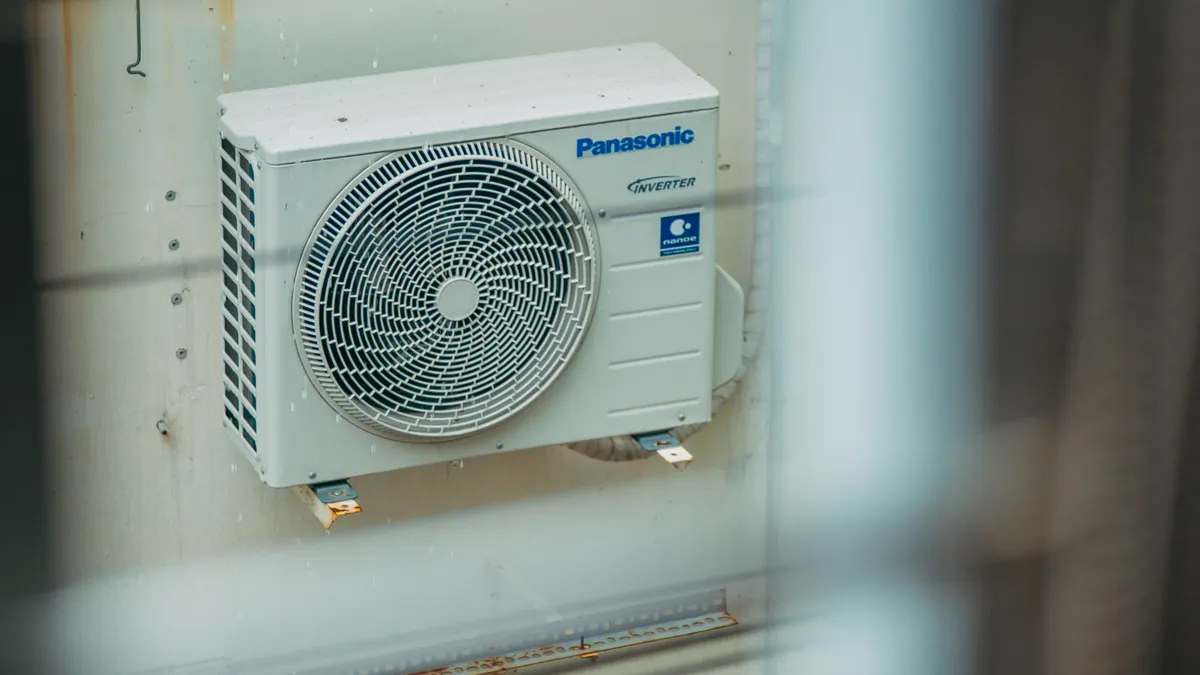
A mini-split system is worth it when you want real temperature control and you use the room often enough to justify a permanent setup. It can heat and cool the space far better than a portable heater or fan.
Picture this: you want the room to work in spring mornings, summer afternoons, and chilly fall evenings without dragging equipment in and out. That is the mini-split use case. It gives you a dedicated indoor unit and an outdoor unit, plus a thermostat-style controller that lets you set a target temperature instead of chasing comfort one day at a time.
A mini-split makes sense when:
- the room is used many days each week,
- the temperature swings are the main reason you avoid the space,
- you want both heating and cooling from one system,
- you need more control than a plug-in heater or fan can give.
It is not the right fit for every room.
- It adds permanent equipment.
- It needs proper placement and installation.
- It may be more system than a light-use room needs.
The truth is, a mini-split is the strongest option in this guide, but it’s also the most committed one. If the room is used only a few weekends each month, the payoff can be hard to justify. If the room is a daily hangout, the convenience is hard to beat.
For technical details on equipment classes and efficiency terms, the Air Conditioning, Heating, and Refrigeration Institute and the U.S. Department of Energy are the kinds of sources worth checking before you pick a model.
How do you control temperature without overbuilding the room?
You control temperature in a three-season room by pairing the right device with the right schedule, then keeping air moving the way the room needs. That means using a thermostat, timed operation, and basic ventilation instead of trying to brute-force comfort.
Picture this: the room is fine at lunch, then swings cold by evening. A thermostat helps because it turns heating or cooling on and off based on a set point, instead of letting the room drift too far in either direction. That matters most with a mini-split system, but even a portable heater with a built-in thermostat is better than a unit with no control at all.
A simple control plan looks like this:
- Set the room’s target use first. Decide whether the room should be comfortable for sitting, dining, or working. That tells you whether you need quick spot heat or steady whole-room control.
- Use a thermostat-based device where possible. A thermostat reduces guesswork and keeps the room from cycling between too hot and too cold.
- Match the device to the time of day. Heat at night, ventilate in the afternoon, and shut systems off when the room is empty.
- Use fans for air movement, not false cooling. A fan can make 78°F feel better, but it won’t fix trapped heat by itself.
- Open the room when outside air helps. Cross-ventilation can do more than a machine on a mild day.
Now, you might be wondering why temperature control gets its own section if the room already has heaters and fans. Because the device is only half the answer. The other half is how you use it. A room with the wrong schedule can feel worse than a room with cheaper equipment used well.
A common mistake is buying too much gear for a room that only needs one or two simple fixes. That costs money, adds noise, and still may not solve the draft or heat trap that started the problem.
What mistakes make a three-season room uncomfortable?
The biggest mistakes are using the wrong kind of heat, skipping ventilation, and expecting one device to handle every season. Those mistakes make the room feel uneven and can turn a simple comfort fix into a headache.
Picture this: you add a heater, but the room still feels cold near the windows and hot by the chair. That usually means the room needs air movement, not just more heat. Or the opposite: you install a fan and expect it to cool a glass-heavy room in August. It won’t. It only helps if the warm air has a way out.
Common mistakes and what they cost:
- Using a portable heater as the only plan: the room stays warm only near the heater, and you keep chasing cold spots.
- Relying on a fan in a sealed room: the air moves, but the heat stays.
- Buying a mini-split for a lightly used room: the system may be more equipment than you need.
- Ignoring thermostat control: the room swings between comfort and discomfort, which makes it hard to enjoy.
The fix is to match the tool to the job.
- Short visits: portable heater.
- Hot afternoons: ceiling fan or window fan.
- Frequent use and both seasons: mini-split.
- Uneven comfort: thermostat and ventilation first, then equipment.
For standards and equipment guidance, the Air Conditioning, Heating, and Refrigeration Institute is a useful place to verify that a unit is rated and labeled the way you expect.
What should you choose first?
You should choose the simplest option that solves the room’s real problem, not the fanciest one on paper. For many three-season rooms, that means a portable heater for cold spells, a ceiling fan or window fan for hot afternoons, and a mini-split system only when the room sees steady use.
Picture this: you want a room you’ll actually sit in, not a project that keeps growing. Start with the complaint, not the catalog. If the complaint is “my feet get cold at night,” a portable heater may be enough. If the complaint is “the room is unusable half the year,” a mini-split deserves a serious look. If the complaint is “the air just sits there,” ventilation and a fan come first.
A good shortcut is this:
- Cold for an hour or two: portable heater.
- Stuffy on warm days: fan and ventilation.
- Used daily across seasons: mini-split.
- Still unsure: start with the least permanent option and see whether the room’s real problem changes.
That choice keeps the room practical. It also keeps you from overpaying for comfort you won’t use. The right answer is the one that matches how you live in the room, not how a brochure pictures it.
Can you heat a three-season room?
Yes, you can heat a three-season room with a portable heater or a mini-split, depending on how often you use the space. A portable heater works best for short stays and one seating area. A mini-split is the better fit if you want steadier comfort and less fuss.
Can you cool a three-season room?
Yes, you can cool a three-season room partly with a ceiling fan, window fan, or mini-split system. A fan moves air and makes the room feel better, while a mini-split can actively cool it. A fan alone won’t lower the room’s temperature.
Is a mini-split allowed in a three-season room?
Usually it can be installed, but the room’s structure, electrical setup, and local rules decide what’s allowed. A mini-split is a permanent system, so it should be checked against the room’s use and the installation requirements before anyone commits to it.
Drafted with AI; not yet reviewed by a person.










5 thoughts on “Three-Season Room Heating and Cooling Options”