Last updated: November 15, 2026
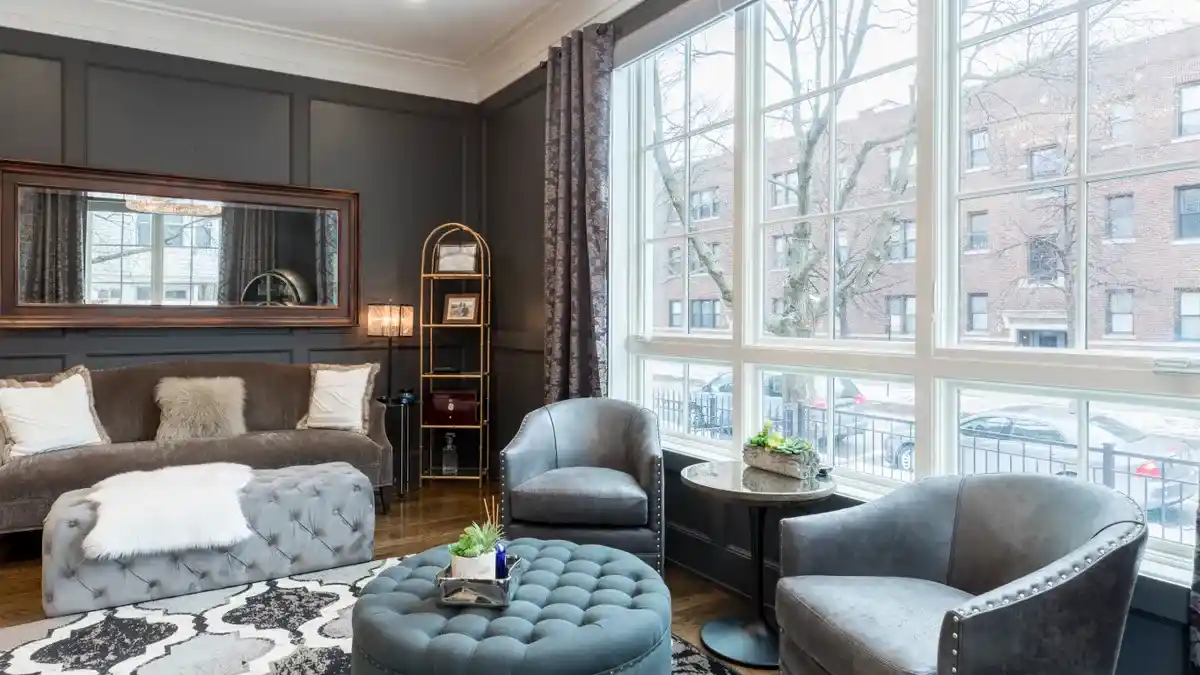
Quick answer: a good three-season room furniture setup is usually five pieces—a wicker chair, an outdoor sofa, a bistro table, a storage bench, and one accent chair—so the room can handle sun, drafts, and damp air without feeling like patio leftovers. This guide settles what to buy, how to place it, and what to skip.
What furniture works in a three-season room?
Three-season room furniture needs to handle sun, drafts, and damp air without feeling like patio leftovers. In many rooms, the most workable mix is a wicker chair, an outdoor sofa, a bistro table, a storage bench, and one accent chair. This guide settles what to buy, how to place it, and what to skip.
The most useful three-season room furniture usually has lightweight frames, weather-friendly fabrics, and pieces that can live with temperature swings. A room that sits warm in the afternoon and cool by evening punishes heavy upholstery and delicate finishes fast.
Picture this: you’re standing in a bright room with screens open, a ceiling fan turning, and the floor still a little cool at 8 p.m. Furniture has to feel comfortable in that exact in-between. That means choosing pieces that can handle partial outdoor exposure without turning fragile.
A solid starting mix often looks like this:
- Wicker furniture for easy visual weight and casual seating
- An outdoor sofa with quick-drying cushions
- A bistro table for coffee, lunch, or a laptop
- A storage bench that hides throws, games, or seat pads
- One accent chair to balance the main seating group
The best part is that these pieces do not all need to match. In a three-season room, mixed materials usually look better than a full set. A woven frame next to a metal table keeps the room from feeling like a catalog spread.
One thing to avoid is indoor-only upholstery on every seat. It may look soft on day one, but it tends to hold moisture, stain easily, and age badly when the room gets humid. If the room gets regular afternoon sun, choose fabrics made for outdoor use and shades that can handle UV exposure. Sunbrella’s care guidance is a useful starting point for fabric behavior and cleaning: Sunbrella cleaning and care.
How do you arrange furniture in a small three-season room?
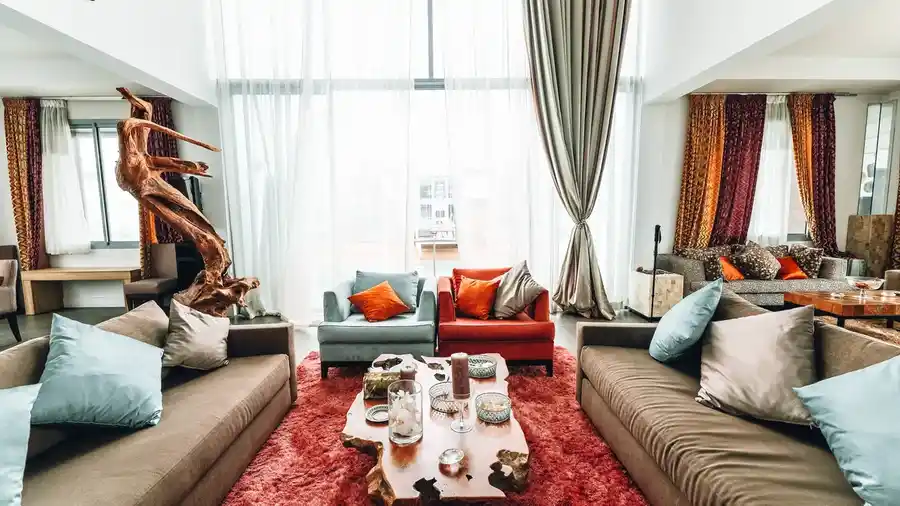
A small three-season room works best with one main seating zone, clear walk paths, and furniture that leaves at least 30 inches of movement space. Crowding the room with extra chairs or a huge sectional makes it feel hotter, tighter, and harder to clean.
Picture this: you’re trying to open a screen door while stepping around ottomans and a coffee table. That room is not too small; it is overfilled. The fix is layout discipline, not more square footage.
Use this simple sequence:
- Measure the room first. Write down wall lengths, door swings, and any fixed window bump-outs so you know where a 36-inch path can stay open.
- Choose one anchor piece. Make the outdoor sofa or two wicker chairs the main shape, then build around it instead of scattering furniture along every wall.
- Keep the center usable. Leave the middle open if the room also serves as a pass-through or if you need space for a child’s play area, yoga mat, or folding tray.
- Use one small table. A bistro table or round side table often works better than a bulky coffee table because it keeps knees and ankles free.
- Float one chair if the room allows it. An accent chair angled toward the sofa creates a conversation group without blocking the view.
A round table helps in tight corners because it removes sharp edges from the walkway. A square table can work too, but only when the room has at least 36 inches around it on the most-used side. If the room is narrow, choose nesting tables or a storage bench instead of forcing in a full coffee table.
Here’s the catch: a small room feels larger when furniture legs are visible. Solid skirted pieces sit heavy and can make the room look boxed in. Slatted, woven, or raised-leg frames usually read lighter.
Which materials hold up in sun, humidity, and drafts?
The most reliable materials are powder-coated metal, resin wicker, teak, and outdoor-rated fabric, though you should still consult a professional or follow manufacturer guidance if the room has unusual moisture, direct sun, or temperature swings. These choices are not indestructible, but they give you a much better starting point. For material performance basics, see Sunbrella’s care guidance and the U.S. EPA’s mold and moisture guidance.
Picture this: you’re halfway through spring and the room feels dry at noon, then damp after a storm. That daily change is hard on glued joints, unfinished wood, and cushions that trap moisture. Furniture in a three-season room has to recover overnight, not stay wet for days.
Look for these material traits:
- Frames: powder-coated aluminum or steel for strength without too much bulk
- Weave: resin wicker instead of natural wicker if the room gets damp
- Tabletops: sealed wood, glass, or metal that wipes clean in one pass
- Cushions: removable covers with outdoor-rated fabric
- Fill: quick-drying foam or inserts made for covered outdoor use
A good rule is this: if a piece claims it belongs indoors only, assume it needs more protection than this room can give. That does not mean every item must be “patio furniture.” It means the material should survive sun exposure, a cool night, and the occasional open-window breeze. For more on choosing finishes, our teak furniture guide can help you compare maintenance levels.
Sunbrella’s cleaning guidance is worth a look if you want to understand how outdoor fabrics are meant to be maintained: How to clean Sunbrella fabrics. The pattern is simple—clean early, dry fully, and don’t let grime sit in the weave.
Two real drawbacks deserve mention:
- Natural wicker can dry out, loosen, or fray faster if the room swings from humid to dry.
- Heavy wood pieces can swell, crack, or show finish damage if they sit near leaky windows or unsealed doors.
If you want a practical middle ground, resin wicker with removable cushions is often a sensible choice. It gives the room warmth without the maintenance burden of true indoor antiques.
What’s the smartest furniture mix for lounging and dining?
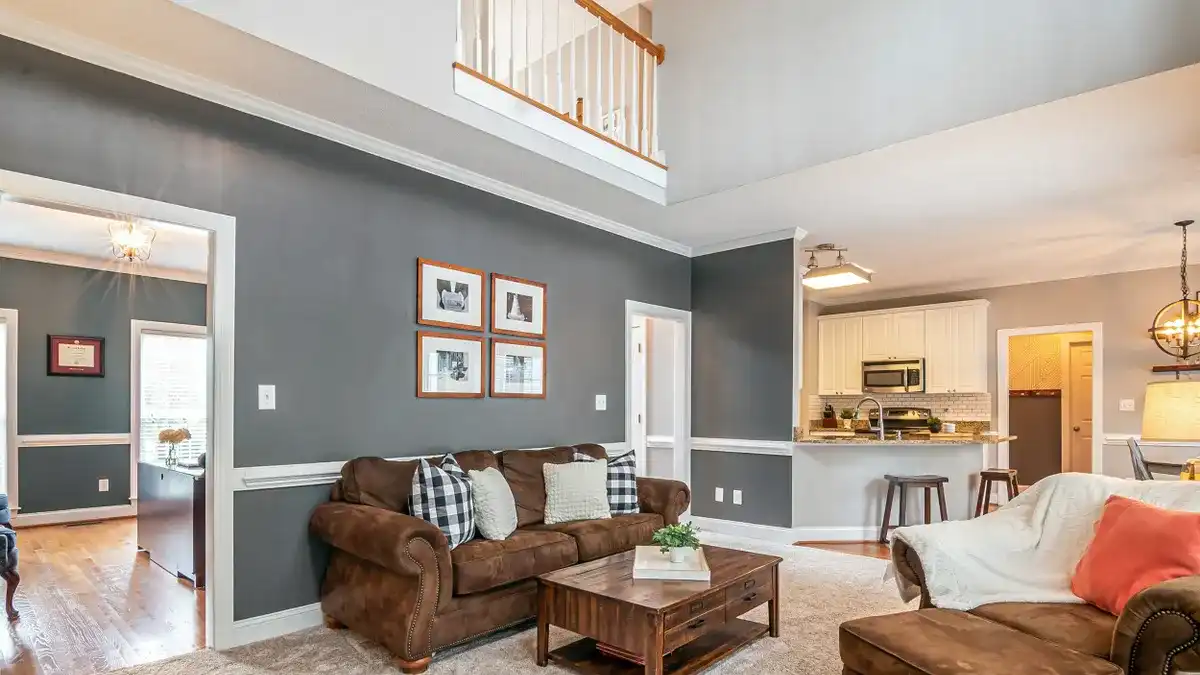
The smartest mix is one lounge group plus one small eating surface, not a room packed with separate sets. A three-season room usually works best when it can serve both coffee and casual meals without feeling like a dining room with extra chairs.
Picture this: you’re sipping coffee at 9 a.m. and setting down a plate at noon. The room should support both without a full dining table taking over the floor. That is why a bistro table earns its place so often.
A good combination looks like this:
- Outdoor sofa for two to three people
- Accent chair for one extra seat or a reading spot
- Bistro table for drinks, snacks, or a laptop
- Storage bench along the wall for hidden function
- One low side table for lamps, books, or a plant
The outdoor sofa should do the heavy lifting. If the room is narrow, choose a sofa with slimmer arms and a raised base. That can make the same footprint feel much lighter. If the room is square, two accent chairs facing the sofa may feel better than a large couch, especially when you want easier traffic flow.
The storage bench is the sleeper hit here. It gives you a place to stash cushions during a rainstorm, keeps board games off the table, and can work as extra seating when guests show up. Just make sure the lid opens easily and the bench is not so deep that it blocks circulation. A bench that eats 20 inches of depth may be too bulky in a tight room.
On the flip side, avoid buying a full dining set unless you truly use the room that way. Dining chairs take up more floor than most people expect, and a large table can make the room feel less like a retreat and more like overflow space from the kitchen. If you are unsure about clearance, measure first and compare it with a small space furniture planner.
How do you choose lighting and storage without clutter?
The right lighting and storage keep the room usable after sunset and keep cushions from piling up in corners. A floor lamp, a table lamp, and hidden storage usually solve more problems than extra decor ever will.
Picture this: you’re in the room at dusk, the screens are still open, and the light level drops fast. One ceiling fixture rarely feels enough. Three-season rooms often need a soft layered glow because the daylight changes quickly and the walls are usually lighter than the outdoors.
Use this setup:
- Place one lamp near the main seat. A lamp with a 24- to 28-inch base height often works well beside an accent chair or sofa arm.
- Add one small task light. A table lamp or plug-in sconce near the bistro table helps with reading, cards, or laptop use.
- Use storage furniture as part of the plan. A storage bench or ottoman with a lid keeps throws, chargers, and citronella candles out of sight.
- Keep cords short and routed cleanly. A visible extension cord can ruin the room and create a tripping hazard.
- Leave one flat surface open. If every tabletop is covered, the room starts to feel crowded fast.
Storage matters more in a three-season room than in a sealed living room because cushions and throws often need to move in and out with the weather. A covered basket works for light items, but a real storage bench handles bulk better. It also keeps the room ready when a surprise shower pushes everyone indoors.
Lighting should feel soft, not harsh. If the room has a lot of glass, bright white bulbs can bounce off screens and make the space feel sterile. Warm light usually fits the job better, especially near wicker or wood tones.
What are the most common three-season room furniture mistakes?
The biggest mistakes are using indoor-only pieces, blocking the view, and filling every inch of floor space. Each one makes the room less comfortable and more annoying to maintain.
Picture this: you’re excited to furnish the room, so you buy a full set at once. Two months later, the cushions sag, the walkway is tight, and the room feels busier than the main house. That happens when the furniture plan ignores the room’s climate and shape.
Watch out for these traps:
- Too much upholstery. It can hold moisture and smell stale after humid days.
- Oversized sectionals. They often kill the view and leave no room for a bistro table.
- Bare metal without finish protection. It can show wear faster near open windows.
- Too many small pieces. Six little tables often look messier than one good table.
- Deep seating with no storage. You end up with cushions and throws piled on the floor.
One honest limitation: three-season room furniture is not a great match for people who want a true all-weather setup. If the room gets freezing in winter or full sun all day in summer, even good furniture will need more care than it would in a conditioned living room. In that case, favor pieces that can move indoors or sit under cover easily.
A practical shortcut helps here: buy fewer, better-shaped pieces first, then live with the room for a week before adding anything else. If a chair blocks the path or the table feels too tall, that shows up fast once you start using the space daily.
Key Takeaways
- Resin wicker, an outdoor sofa, a bistro table, a storage bench, and one accent chair are a practical starting mix.
- Small rooms need open walkways of about 30 inches, not more furniture.
- Outdoor-rated fabric and easy-clean surfaces hold up better than indoor-only upholstery.
- A storage bench can do the work of a chest, an extra seat, and a place to park cushions.
- Lighting should be layered, soft, and easy to switch on at dusk.
What furniture works in a three-season room?
The most useful furniture for a three-season room is made for sun, humidity, and frequent use. Wicker furniture, an outdoor sofa, a bistro table, a storage bench, and an accent chair are flexible pieces because they cover seating, dining, and storage without crowding the room.
Choose materials that can handle temperature swings and occasional moisture. Sunbrella’s care guidance is a good reference point for outdoor fabrics, and furniture with removable covers is easier to keep in shape.
How do you arrange furniture in a small three-season room?
A small three-season room works best with one main seating group and clear walking space. Start by placing the sofa or two chairs first, then keep about 30 inches open for movement and 36 inches where a table needs regular access.
Skip oversized sectionals and extra chairs unless the room is square and open. A round bistro table, one accent chair, and a storage bench usually fit better than a full matching set.
What fabrics are best for a three-season room?
The best fabrics are outdoor-rated fabrics that dry quickly and resist fading. They handle sun and humidity better than standard indoor upholstery, especially in rooms with open screens or lots of afternoon light.
Removable covers are easier to clean, and darker, tighter weaves usually hide wear better than loose, plush fabrics. If the room gets damp, avoid materials that trap moisture or take a long time to dry.
Drafted with AI; not yet reviewed by a person.









2 thoughts on “Three-Season Room Furniture Ideas That Actually Work”